Nairobi National Park

The only national park in the world inside a capital city. Lion, rhino, giraffe and buffalo on open plains with Nairobi's skyline on the horizon — and you can be back at the airport in forty minutes. It is the half-day that rescues an arrival or departure date nobody knew what to do with.

  • Black and white rhino, one of Kenya's densest populations
  • Lion and buffalo within sight of the city skyline
  • The Sheldrick elephant orphanage nursery, open at 11am
  • The Giraffe Centre at Langata
  • Nairobi Safari Walk and the animal orphanage
  • Best time to comeAll year, and always early. Go at 6.30am: the predators are still out and you are ahead of the traffic coming back.
  • Good forLayovers, first and last days, families, short time
  • Where it isNairobi
Nairobi National Park, Kenya

What you do in Nairobi National Park

Every one of these is something we run here, not a stock list.

Safaris that go to Nairobi National Park

Prices are per person and include your vehicle, guide, park fees and accommodation. Every one of these can be changed — they are starting points.

Nairobi National Park- David Sheldrick-Giraffe Centre.
1 day

More about Nairobi National Park

In the late 19th century, when the British colonialists arrived, many indulged in hunting, in addition to the poaching and local human encroachment and activity that gradually destroyed the park, diminishing animal population. The Maasai lived and grazed their cattle among the wildlife and even as the Nairobi grew, human wildlife conflicts were inevitable. The animals were gradually confined to the south west of Nairobi, of which the colonial government set aside as a game reserve. Mervyn Cowie, a former hunter, proposed the establishment of a National park, in 1932.

In 1933, In 1933, a Royal Commission accepted the project and the "Nairobi Commonage" was formed. From 1933 to 1939, Cowie held public meeting to create awarenesss amongst the people living there. In 1939, a mllitary camp was set out at the West of the park, to capture poachers.

In 1946, the park was officially gazetted , and it became the first national park in Kenya, and in East Africa. Maasai pastoralists had to move from the park. Cowie was appointed as director of the park unti 1996. In 1976, the park was nationalised (K.W.S.) after 30 years of existence as a non governmental organisation. In 1989, the former President Daniel arap Moi burned an ivory stock worth Kshs 60 millions to reinforce Kenyan commitment to fight poaching.

Geography/Habitats: Nairobi National Park is a unique ecosystem by being the only protected area in the world close to a capital city. The vegetation is mainly savannah, with open grass plains and scattered acacia bush. The western side has a highland dry forest and a permanent river with a riverine forest in the south. In addition, there are stretches of broken bush country and deep, rocky valleys and gorges with scrub and long grass. Man-made dams also attract water dependent herbivores during the dry season. The Athi Kapiti Plains are found further south as well as the Kitengela Migration corridor, and there are man made dams within the park that attract animals for replenishment purposes and plenty of bird species.

Animals:

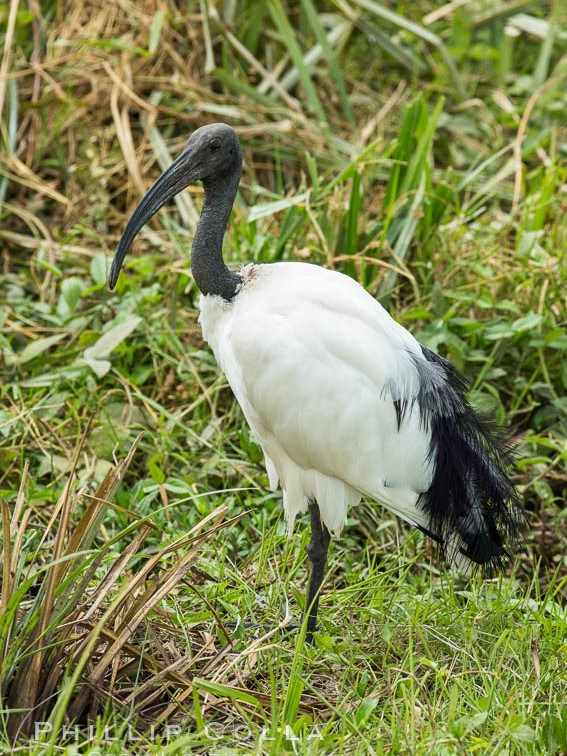
Most of the Big Five: leopard, lion, buffalo and rhino – of the Big 5, only the elephant is absent. Other animals resident include: black rhino, cheetah, hyena, buffalo, zebra, wilderbeest, and eland. There are over 400 species of birdlife at the park. However, all species are not always present and some are seasonal. More recently Nairobi National Park has been designated as a rhino sanctuary and more than 50 rhinos had been moved into the park from remote parts of the country where poaching was rife making the park the most favoured place to see the rhino.

Of interest: Ivory Burning Site Monument; walking trails at hippo pools; Nairobi Safari Walk and the Animal Orphanage; spacious picnic sites and game drives.

https://maps.app.goo.gl/A6oggnq5gACiA29g8

Also in Kenya

Most safaris here combine two or three of these.

Maasai Mara

Maasai Mara

The Mara is the northern end of the Serengeti ecosystem, and the single best place in Africa to watch big cats hunt. Between July and October around a million and a half wildebeest and zebra cross the Mara River into it. The rest of the year it is quieter, cheaper, and still holds the highest density of lion, cheetah and leopard in Kenya.

Amboseli

Amboseli

Amboseli is where you photograph elephants with Kilimanjaro behind them. The swamps fed by meltwater off the mountain hold big herds year round, the plains are open and dusty so nothing hides, and it is close enough to Nairobi to be worth three days on its own.

Samburu National Reserve

Samburu National Reserve

Samburu is the dry north, and the wildlife is different for it. Grevy's zebra, reticulated giraffe, Beisa oryx, gerenuk and Somali ostrich live here and almost nowhere else in Kenya — guides call them the Samburu Special Five. The Ewaso Nyiro river keeps it all alive and draws elephant down to drink all afternoon.

Lake Naivasha

Lake Naivasha

Naivasha is the freshwater lake in the floor of the Rift Valley, ninety minutes from Nairobi. You get out of the vehicle here: a boat among the hippos, a walk or a cycle on Crescent Island among giraffe and zebra with no predators to worry about. It is the day that breaks up a driving safari.

Thinking about Nairobi National Park?

Tell us roughly when you can travel and how long you have. We will tell you honestly whether Nairobi National Park is the right call for those dates — and what it costs.