Serengeti National Park

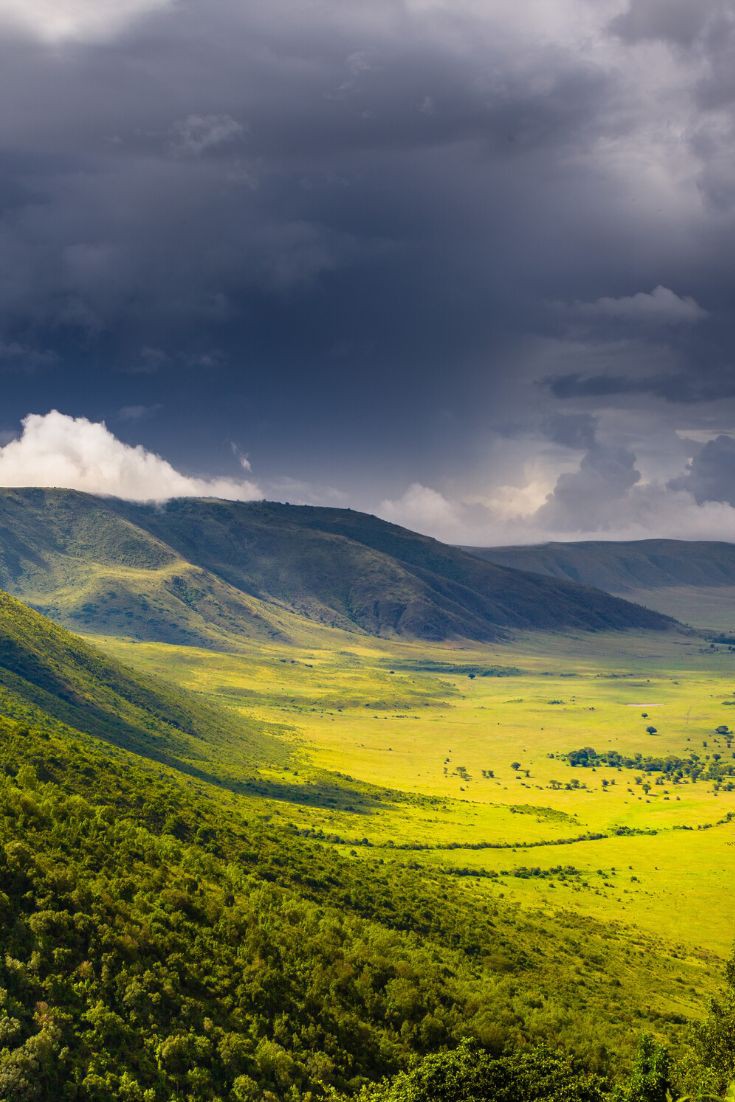
Fourteen thousand square kilometres of plains, and the stage for the whole wildebeest migration — which is not an event but a year-round circuit the herds never stop walking. Where they are depends on the month, so the Serengeti rewards planning more than any other park in East Africa.

  • The migration, somewhere in the park every month of the year
  • Calving on the southern plains, late January to March
  • The Grumeti and Mara river crossings, June to September
  • Seronera valley, the best year-round big cat country
  • Balloon safaris over the plains at first light
  • Best time to comeDepends entirely on what you want. Calving and predator action: late January to March, on the southern plains. River crossings: June to September, in the north. Seronera in the centre is good all year.
  • Good forThe migration, big cats, photographers, second safaris
  • Where it isTanzania
Serengeti National Park, Tanzania

What you do in Serengeti National Park

Every one of these is something we run here, not a stock list.

Safaris that go to Serengeti National Park

Prices are per person and include your vehicle, guide, park fees and accommodation. Every one of these can be changed — they are starting points.

EXPLORING TANZANIA!
6 days

EXPLORING TANZANIA!

6 Days/5Nights.

Kenya Tanzania Safari Package
11 days

Kenya Tanzania Safari Package

11 Days Exploring Kenya and Tanzania

TANZANIA PHOTOGRAPHIC SAFARI ADVENTURE!
12 days

More about Serengeti National Park

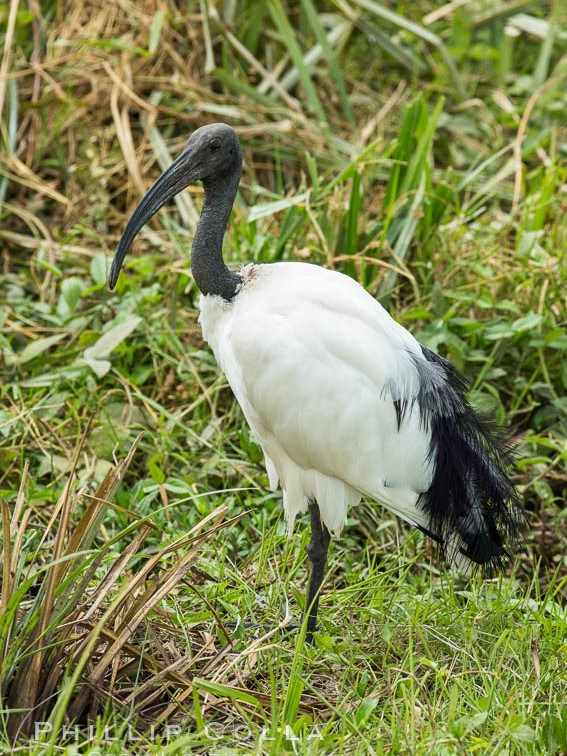
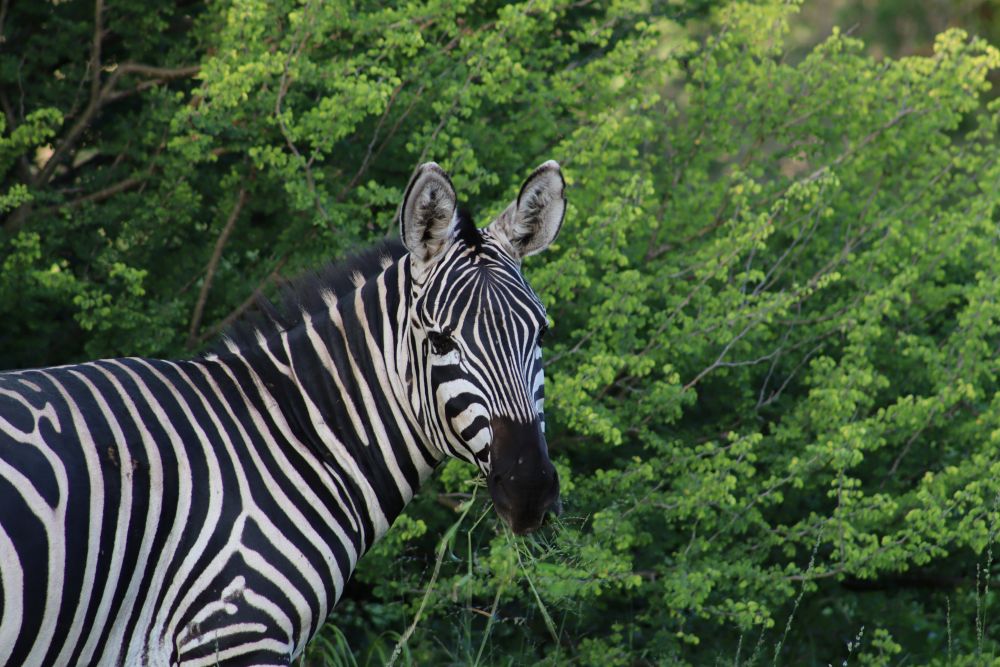
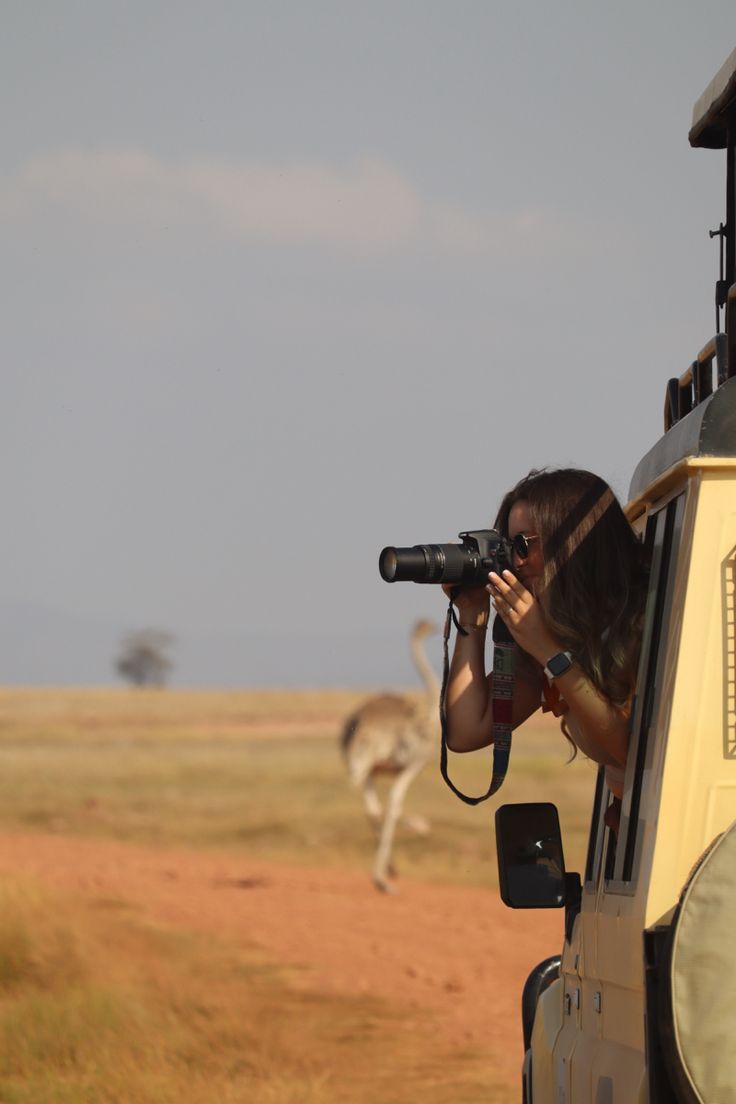
Serengeti National Park, a World Heritage Site, is brimming with wildlife: it's home to over 2 million ungulates, 4,000 lions, 1,000 leopards, 550 cheetahs, and around 500 bird species across nearly 15,000 square kilometers. Embark on a safari to traverse the vast Serengeti plains, speckled with trees and kopjes where regal lions survey their domain; witness the awe-inspiring Great Migration or track down a stealthy leopard in the riverine woods. Alternatively, take in the panoramic views from a hot air balloon as you glide above the plains at dawn.

Also in Tanzania

Most safaris here combine two or three of these.

Ngorongoro Crater

Ngorongoro Crater

A collapsed volcano twenty kilometres across with twenty-five thousand animals living on the floor of it, walled in by a six-hundred-metre rim. It is the one place in East Africa where seeing all of the Big Five in a single morning is an ordinary outcome rather than a lucky one.

Tarangire National Park

Tarangire National Park

Tarangire has the baobabs and the elephants. In the dry season the river is the only water for miles and the herds concentrate on it — three and four hundred elephant in a day is not unusual, which beats anything the Serengeti offers. It is two hours from Arusha and usually the first stop on a northern circuit.

Lake Manyara National Park

Lake Manyara National Park

A narrow strip of forest, lake and floodplain under the Rift Valley escarpment, famous for lions that sleep in the acacia branches. It is small enough to see in half a day and sits directly on the road between Arusha and the Ngorongoro Crater, so it costs an itinerary almost nothing.

Zanzibar

Zanzibar

Where an East African safari ends. Zanzibar is an hour's flight from Arusha: white sand, warm water, and Stone Town, a thousand-year-old trading port of carved doors and narrow lanes that is a UNESCO World Heritage site in its own right. Three nights here changes what the whole trip felt like.

Thinking about Serengeti National Park?

Tell us roughly when you can travel and how long you have. We will tell you honestly whether Serengeti National Park is the right call for those dates — and what it costs.