
Ngorongoro Crater

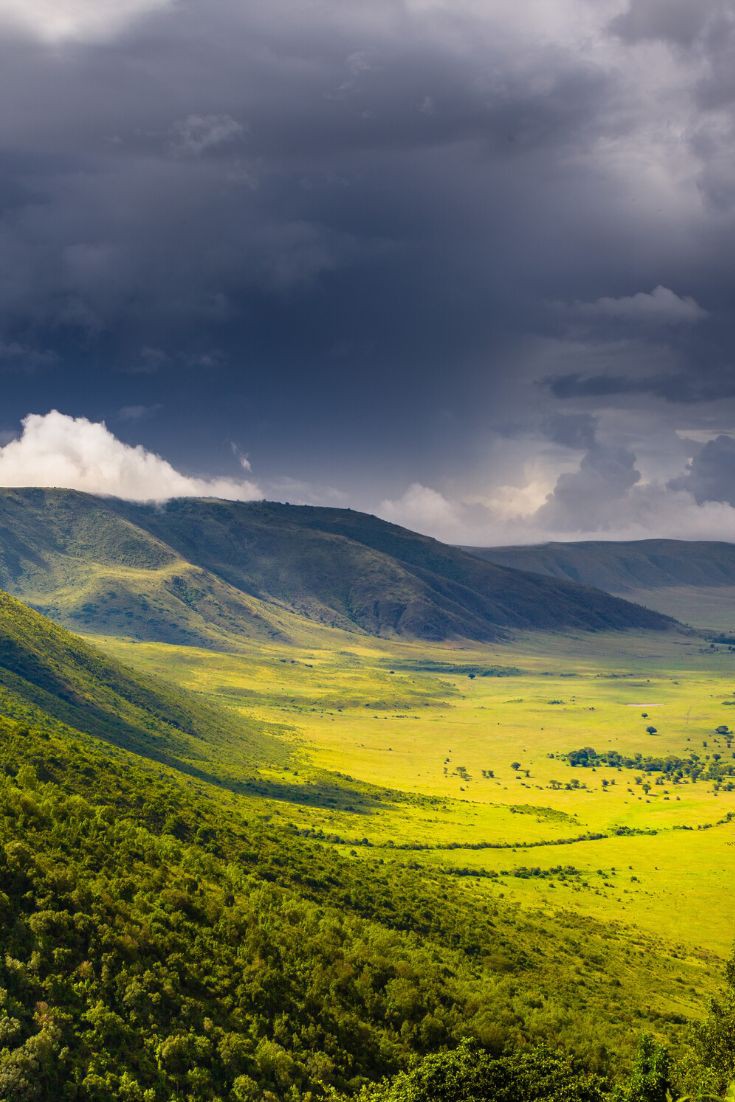
A collapsed volcano twenty kilometres across with twenty-five thousand animals living on the floor of it, walled in by a six-hundred-metre rim. It is the one place in East Africa where seeing all of the Big Five in a single morning is an ordinary outcome rather than a lucky one.

  • The Big Five in one crater floor, often before lunch
  • Black rhino, among the most reliable sightings in Africa
  • Lake Magadi's flamingos and the Lerai fever tree forest
  • The rim view at dawn, with cloud pouring over the edge
  • Olduvai Gorge on the way in, where the Leakeys worked
  • Best time to comeAll year — the crater holds water and game through every season. June to October is dry and busy; the green months are quieter and the rim view is better.
  • Good forFirst safaris, short trips, the Big Five, black rhino
  • Where it isTanzania
Ngorongoro Crater, Tanzania

What you do in Ngorongoro Crater

Every one of these is something we run here, not a stock list.

Safaris that go to Ngorongoro Crater

Prices are per person and include your vehicle, guide, park fees and accommodation. Every one of these can be changed — they are starting points.

TANZANIA WILDLIFE UNFORGETTABLE EXPERIENCE
4 days
EXPLORING TANZANIA!
6 days

EXPLORING TANZANIA!

6 Days/5Nights.

Kenya Tanzania Safari Package
11 days

Kenya Tanzania Safari Package

11 Days Exploring Kenya and Tanzania

TANZANIA PHOTOGRAPHIC SAFARI ADVENTURE!
12 days

More about Ngorongoro Crater

The Ngorongoro Crater is an extinct volcanic caldera located in the Eastern (Great) Rift Valley, northern Tanzania, about 75 miles (120 km) west of Arusha. Spanning 10 to 12 miles (16 to 19 km) in diameter, it covers an area of 102 square miles (264 square km). The densely forested rim of the crater stands 2,000 feet (610 meters) above its floor, reaching an elevation of 7,500 feet (2,286 meters). It is believed that Ngorongoro was formed approximately 2.5 million years ago when a large volcano erupted and its cone collapsed, creating the current expansive and intact caldera.

Also in Tanzania

Most safaris here combine two or three of these.

Serengeti National Park

Serengeti National Park

Fourteen thousand square kilometres of plains, and the stage for the whole wildebeest migration — which is not an event but a year-round circuit the herds never stop walking. Where they are depends on the month, so the Serengeti rewards planning more than any other park in East Africa.

Tarangire National Park

Tarangire National Park

Tarangire has the baobabs and the elephants. In the dry season the river is the only water for miles and the herds concentrate on it — three and four hundred elephant in a day is not unusual, which beats anything the Serengeti offers. It is two hours from Arusha and usually the first stop on a northern circuit.

Lake Manyara National Park

Lake Manyara National Park

A narrow strip of forest, lake and floodplain under the Rift Valley escarpment, famous for lions that sleep in the acacia branches. It is small enough to see in half a day and sits directly on the road between Arusha and the Ngorongoro Crater, so it costs an itinerary almost nothing.

Zanzibar

Zanzibar

Where an East African safari ends. Zanzibar is an hour's flight from Arusha: white sand, warm water, and Stone Town, a thousand-year-old trading port of carved doors and narrow lanes that is a UNESCO World Heritage site in its own right. Three nights here changes what the whole trip felt like.

Thinking about Ngorongoro Crater?

Tell us roughly when you can travel and how long you have. We will tell you honestly whether Ngorongoro Crater is the right call for those dates — and what it costs.