Lake Naivasha

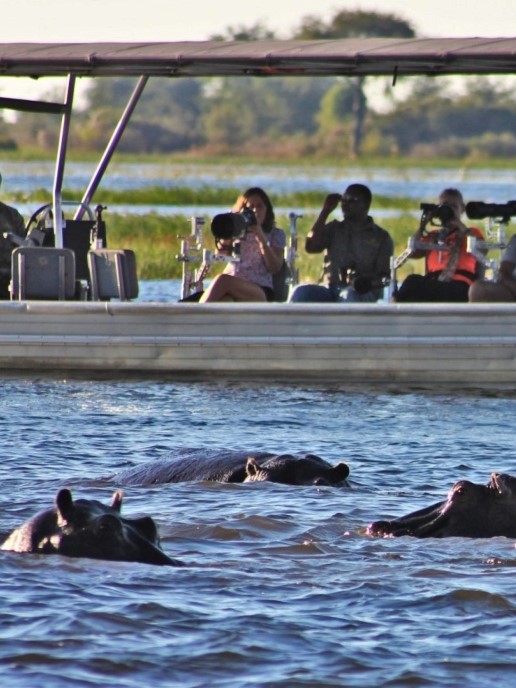
Naivasha is the freshwater lake in the floor of the Rift Valley, ninety minutes from Nairobi. You get out of the vehicle here: a boat among the hippos, a walk or a cycle on Crescent Island among giraffe and zebra with no predators to worry about. It is the day that breaks up a driving safari.

  • Boat trips past hippo pods and fish eagles
  • Walking and cycling on Crescent Island
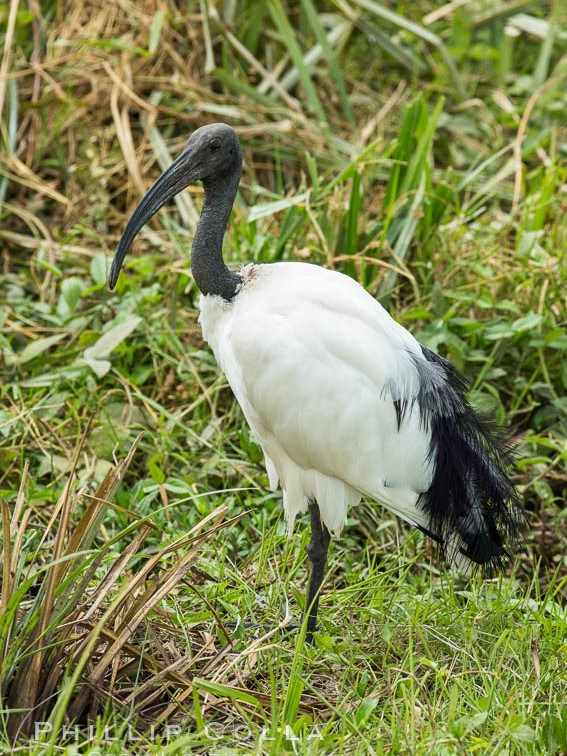
  • Over 400 bird species on one lake
  • Hell's Gate, twenty minutes away, where you cycle through the park
  • Colonial-era lodges and gardens on the shore
  • Best time to comeAll year. The birdlife peaks between November and March when the European migrants arrive.
  • Good forFamilies, birders, anybody tired of sitting in a vehicle
  • Where it isNaivasha
Lake Naivasha, Kenya

What you do in Lake Naivasha

Every one of these is something we run here, not a stock list.

Safaris that go to Lake Naivasha

Prices are per person and include your vehicle, guide, park fees and accommodation. Every one of these can be changed — they are starting points.

More about Lake Naivasha

At 1,884 meters (6,181 feet) above sea level, Lake Naivasha is the highest point in the Kenyan Rift Valley. It is a complicated geological formation made up of volcanic rocks and sedimentary deposits from a larger lake that existed during the Pleistocene era. The lake is supplied with water by the everlasting Malewa and Gilgil rivers in addition to sporadic streams. Since the lake's water is relatively fresh, even if there isn't a visible outflow, it's thought to have one underground.[2]

Prior to 2010, the lake's usual surface area was 139 square kilometers (54 sq mi)[3]. By 2020, that had grown to 198 square kilometers (76 sq mi).[4] The 64 square kilometres (25 sq mi) of swamp that encircles it can vary significantly according on the amount of rainfall. Located at

https://maps.app.goo.gl/wQHSAwW4MGM4iXpN8

Also in Kenya

Most safaris here combine two or three of these.

Maasai Mara

Maasai Mara

The Mara is the northern end of the Serengeti ecosystem, and the single best place in Africa to watch big cats hunt. Between July and October around a million and a half wildebeest and zebra cross the Mara River into it. The rest of the year it is quieter, cheaper, and still holds the highest density of lion, cheetah and leopard in Kenya.

Amboseli

Amboseli

Amboseli is where you photograph elephants with Kilimanjaro behind them. The swamps fed by meltwater off the mountain hold big herds year round, the plains are open and dusty so nothing hides, and it is close enough to Nairobi to be worth three days on its own.

Samburu National Reserve

Samburu National Reserve

Samburu is the dry north, and the wildlife is different for it. Grevy's zebra, reticulated giraffe, Beisa oryx, gerenuk and Somali ostrich live here and almost nowhere else in Kenya — guides call them the Samburu Special Five. The Ewaso Nyiro river keeps it all alive and draws elephant down to drink all afternoon.

Tsavo West National Park

Tsavo West National Park

Tsavo West is the handsome half of Tsavo — hills, lava flows and green scrub instead of flat red plain. Mzima Springs pushes fifty million gallons of clear water out of the ground every day, and an underwater chamber lets you watch hippo and crocodile from below the surface. The rhino sanctuary here is one of the few places in Kenya to see black rhino.

Thinking about Lake Naivasha?

Tell us roughly when you can travel and how long you have. We will tell you honestly whether Lake Naivasha is the right call for those dates — and what it costs.