Meru National Park

Meru is where Elsa the lioness of Born Free was raised and released. It is well watered, green and almost empty of other vehicles — thirteen rivers, doum palms, and a rhino sanctuary inside the park. For a traveller who has done the Mara and wants wilderness without a crowd, this is the answer.

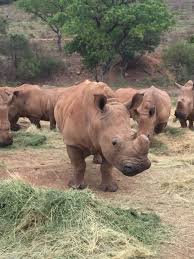
  • Black and white rhino in a protected sanctuary
  • Thirteen rivers and palm-lined streams
  • Elsa's grave, from Born Free
  • Reticulated giraffe, oryx and gerenuk of the dry north
  • Almost no other vehicles
  • Best time to comeJune to September and December to February. The park is low and hot; the rains make some river crossings impassable.
  • Good forRepeat visitors, solitude, rhino
  • Where it isEastern part of Meru, Central Kenya
Meru National Park, Kenya

What you do in Meru National Park

Every one of these is something we run here, not a stock list.

Going to Meru National Park

We do not have a scheduled itinerary for Meru National Park on the site right now, which does not mean we cannot take you. We build private trips to order across Kenya — tell us your dates and we will put a route and a price together.

Plan a trip to Meru National Park

More about Meru National Park

Situated in the Eastern part of Meru, Central Kenya, which is 348km from Nairobi, the park was established in 1968. It is located right on the equator at an altitude of between 1000-3400 feet (304-1036meters).

Size: 870km².

Geography/Habitats: The park is a green paradise compared to the dry savannahs of Kenyan parks, with 15 rivers, numerous mountain fed streams and excellent views of snow-capped Mount Kenya It has diverse scenery from woodlands to wide-open plains, meandering riverbanks, hilly landscapes and rich grey alluvial volcanic soil deposits. Three large rivers border the reserve: the Tana to the south, the Ura to the south-west and the Rojeweru to the east.

Animals: Grevy's Zebra, Elephants, Eland, Bush Pig, Waterbuck, Cheetah, Leopard, Giraffe, Hippopotamus, Reedbuck, Hartebeest, Python, Puff Udder, Cobra, Buffalo, more than 300 bird species.

Of Interest: game drives, bird watching and camping.

https://maps.app.goo.gl/JeDgtUmwRUABtNS8A

Also in Kenya

Most safaris here combine two or three of these.

Maasai Mara

Maasai Mara

The Mara is the northern end of the Serengeti ecosystem, and the single best place in Africa to watch big cats hunt. Between July and October around a million and a half wildebeest and zebra cross the Mara River into it. The rest of the year it is quieter, cheaper, and still holds the highest density of lion, cheetah and leopard in Kenya.

Amboseli

Amboseli

Amboseli is where you photograph elephants with Kilimanjaro behind them. The swamps fed by meltwater off the mountain hold big herds year round, the plains are open and dusty so nothing hides, and it is close enough to Nairobi to be worth three days on its own.

Samburu National Reserve

Samburu National Reserve

Samburu is the dry north, and the wildlife is different for it. Grevy's zebra, reticulated giraffe, Beisa oryx, gerenuk and Somali ostrich live here and almost nowhere else in Kenya — guides call them the Samburu Special Five. The Ewaso Nyiro river keeps it all alive and draws elephant down to drink all afternoon.

Lake Naivasha

Lake Naivasha

Naivasha is the freshwater lake in the floor of the Rift Valley, ninety minutes from Nairobi. You get out of the vehicle here: a boat among the hippos, a walk or a cycle on Crescent Island among giraffe and zebra with no predators to worry about. It is the day that breaks up a driving safari.

Thinking about Meru National Park?

Tell us roughly when you can travel and how long you have. We will tell you honestly whether Meru National Park is the right call for those dates — and what it costs.